
Precision Tooling and Custom Molding for Vehicle Components
Precision Automotive Plastic Parts Manufacturer Ready for Your Next Project
What is an automotive plastic parts manufacturer if not the backbone of modern vehicle efficiency and design? These specialized facilities use advanced injection molding and extrusion to produce durable, lightweight components like dashboards, bumpers, and engine covers. By replacing heavy metal parts with precision-engineered polymers, they directly reduce fuel consumption and enhance structural integrity. You choose them to achieve cost-effective, corrosion-resistant, and custom-shaped solutions for any vehicle assembly line.
Precision Tooling and Custom Molding for Vehicle Components
When we craft vehicle components, precision tooling for automotive plastic parts begins with engineering steel molds to tolerances under 0.01mm—essential for snap-fit housings and vibration-dampening brackets. On the floor, custom molding for vehicle components takes shape as we adjust injection parameters for each polypropylene or nylon formula, solving real-world issues like warpage in dashboard carriers or sink marks on a pillar trim. Our team hand-polishes core pins and cavitation channels until the cycle spits out parts that align perfectly in final assembly. Every mold run becomes a lesson in material flow and cooling, ensuring that complex geometries—from air duct conduits to glove box latches—survive years of temperature swings and dashboard abuse.
Engineered Resins for High-Performance Under-Hood Applications
Engineered resins for high-performance under-hood applications must withstand continuous thermal cycling, oil exposure, and vibration. Manufacturers select high-temperature polyamide blends for intake manifolds and valve covers, as these materials resist creep above 180°C while maintaining dimensional stability. For turbocharged systems, glass-reinforced polyphenylene sulfide is specified for its chemical resistance to coolants and aggressive lubricants. The resin’s glass transition temperature directly dictates part longevity, with grades exceeding 220°C required near exhaust components. Each compound’s crystallinity percentage is optimized during molding to prevent warpage under load-bearing flanges.
| Application Zone | Resin Type | Key Property |
|---|---|---|
| Engine intake | PA 66+GF30 | Heat deflection >250°C |
| Oil pan | PPS+CF | Hydrolysis resistance |
| Coolant flange | PPA | Continuous use at 190°C |
Injection Molding Techniques for Complex Geometries
Multi-stage injection molding enables precise replication of complex vehicle geometries, such as undercut clips and snap-fits, by utilizing sequential valve gating to control melt flow within intricately contoured cavities. Core-pulling mechanisms and rotating mold stacks allow for the formation of helical threads and internal lattice structures without secondary operations. For thin-walled ducting, variotherm heating cycles prevent premature solidification in deep ribs, ensuring complete fill while reducing residual stress. Gas-assisted injection forms hollow channels through thick bosses, eliminating sink marks. Precision servo-driven ejectors facilitate the demolding of high-aspect-ratio features without distortion.
Mold Flow Analysis for Optimized Part Strength
Mold flow analysis predicts polymer flow behavior to eliminate weak knit lines and volumetric shrinkage that compromise part integrity. By simulating filling, packing, and cooling phases, engineers identify optimal gate locations and wall thickness distributions that prevent stress concentrations. This computational tuning of injection parameters ensures uniform molecular orientation, increasing tensile strength by 15–20% without material additives. The analysis specifically validates that fiber reinforcement aligns with load paths, avoiding anisotropic failures. Predictive flow modeling directly reduces prototype iterations while delivering structural reliability for thin-walled enclosures and bracket components under cyclic vehicle loads.
Interior Trim and Dashboard Solutions Using Advanced Polymers
For an automotive plastic parts manufacturer, advanced polymers like polycarbonate-acrylonitrile butadiene styrene (PC-ABS) and long-fiber-reinforced polypropylene (LFRT) are critical for interior trim and dashboard solutions. These materials enable the creation of complex, thin-wall geometries that integrate mounting bosses, air vents, and decorative surfaces directly into a single molded component. The key is using a tailored polymer blend that achieves strict OEM specifications for head-impact resistance and low volatile organic compound (VOC) emissions while allowing for a seamless, grain-matched Class A surface. As a manufacturer, you must select a grade with the correct melt flow for your tooling, ensuring consistent gloss and color distribution across the entire instrument panel. Properly engineered polymer solutions also eliminate secondary operations like painting by incorporating in-mold color or scratch-resistant textures. Focus on optimizing gate location and cooling channels to prevent sink marks on these high-visibility surfaces.
Soft-Touch and Textured Finishes for Enhanced Aesthetics
Soft-touch and textured finishes transform automotive interiors from basic plastic into premium haptic experiences. Advanced polymers allow manufacturers to mold tactile surfaces that feel like leather-wrapped or sueded components, eliminating the need for post-production wrapping. Micro-texture patterns on dashboards reduce glare while creating a luxury „grain” effect that resists fingerprint smudges. Soft-touch polymer blends applied to door pulls and vent surrounds absorb vibration, delivering a silent, damped closure. These finishes are integral to automotive plastic parts manufacturer strategies for differentiating cabins without adding weight or assembly complexity.
Q: Can soft-touch finishes withstand daily UV exposure and hand oils?
A: Yes. Automaker-grade soft-touch polymers use UV-stable elastomers and oleophobic additives, ensuring the buttery feel does not degrade or become sticky over years of contact.
Lightweight Composite Materials for Fuel Efficiency
For an automotive plastic parts manufacturer, lightweight composite materials for fuel efficiency directly reduce vehicle mass without compromising interior trim rigidity. By replacing traditional metals with carbon-fiber-reinforced thermoplastics in dashboard substrates and door panels, manufacturers achieve a lower kerb weight, which translates to reduced energy consumption during acceleration. The process involves:
- Selecting high-modulus fibers (e.g., glass or carbon) for structural integrity
- Molding them with polypropylene or nylon matrices to create thin-wall sections
- Integrating foam cores for stiffness-to-weight optimization
This design logic ensures that each gram shed from the cabin interior directly improves fuel economy without sacrificing crash safety or tactile feel.
Assembly-Ready Subcomponents for Tier-One Suppliers
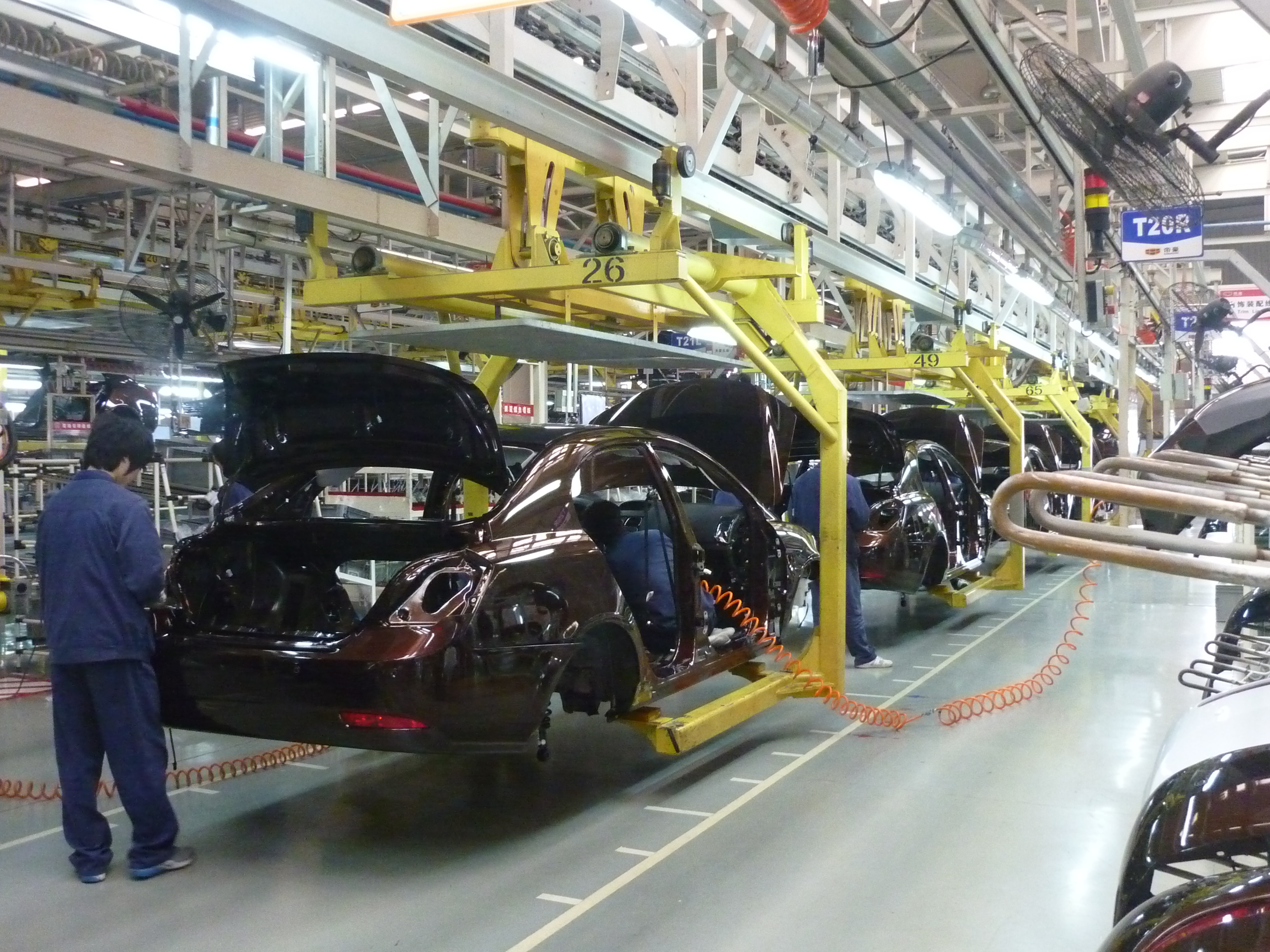
Tier-one suppliers get a major advantage with assembly-ready subcomponents. These pre-assembled polymer units, like integrated dashboard crossbeams or door trim modules, cut their production steps significantly. Drop-in ready subcomponents simplify complex builds by combining multiple parts, reducing inventory strain and assembly errors. They arrive ready for direct installation into vehicle frames, saving time on your line. You benefit from tighter tolerances and consistent quality, right off the truck.
Assembly-ready subcomponents streamline your process with drop-in polymer modules, saving time and reducing assembly errors.
Exterior Body Panels and Lighting Housings
An automotive plastic parts manufacturer specializing in exterior body panels and lighting housings delivers critical weight reduction and design flexibility over metal alternatives. For body panels like fenders and bumpers, injection-molded thermoplastics allow complex contours while matching OEM paint finishes. In lighting housings, polycarbonates must withstand thermal loads from LEDs and meet optical clarity for beam patterns. Precision tooling ensures seamless fitment to vehicle structures, reducing assembly gaps. These parts also resist corrosion and minor impacts, extending vehicle lifespan. By controlling material selection and molding parameters, manufacturers produce durable, lightweight components that integrate directly into modern vehicle architectures.
Weather-Resistant Materials for Bumpers and Grilles
For bumpers and grilles, manufacturers rely on materials like impact-resistant polypropylene and ASA, which handle UV rays and rain without cracking or fading. These plastics resist oxidation and maintain flexibility in freezing temps, so your grille stays intact after a hailstorm. Polycarbonate blends add toughness for front-end impacts, while weatherable grades prevent chalkiness over years of sun exposure. The right resin choice directly affects long-term appearance and structural safety. Weather-resistant thermoplastic compounds are key to avoiding brittle failures and sun damage in these components.
Weather-resistant materials for bumpers and grilles blend UV stability, impact strength, and moisture resistance to ensure long-lasting exterior protection against sun, rain, and temperature swings.
Optically Clear Plastics for Headlamp Lenses
For headlamp lenses, optically clear plastics like polycarbonate offer superior impact resistance and light transmission compared to glass, enabling complex aerodynamic shapes without fragility. Manufacturers utilize specialized UV-stabilized grades to prevent yellowing and maintain long-term optical clarity under thermal stress and road debris. Precision injection molding ensures flawless, distortion-free surfaces that focus beam patterns accurately. These materials also reduce weight, improving vehicle efficiency, while resisting cracking from vibration or minor impacts, making them the definitive choice for durable, high-performance lighting housings.
Class A Surface Finishing for Paint-Ready Parts
For paint-ready exterior body panels and lighting housings, Class A surface finishing demands flawless substrate preparation to eliminate sink marks, flow lines, and knit lines. Manufacturers employ high-gloss steel tooling polished to a mirror finish, combined with controlled injection speeds and mold temperatures, to achieve a porous-free paint-ready substrate. Essential practices include:
- Precision gate and vent positioning to prevent gas traps
- Post-mold plasma treatment for enhanced paint adhesion
- Strict contamination control using ISO Class 7 cleanrooms
Sustainability and Recycling in Plastic Part Production
For an automotive plastic parts manufacturer, sustainability means actively feeding production scrap and post-consumer bumper covers back into the injection molding line. Closed-loop recycling processes reclaim regrind material that retains up to 95% of its original tensile strength, letting you mix it with virgin resin for new dashboard components and under-hood brackets. You can also consolidate color-matched internal trim parts from recycled polypropylene, eliminating paint waste. Designing snap-fit assemblies instead of glued joints makes end-of-life disassembly faster, so components return cleanly into the recycling stream. This FOX MOLD plastic injection mold manufacturer approach cuts raw material costs directly while keeping high-quality automotive-grade plastic in continuous rotation.
Post-Consumer Regrind Utilization for Non-Visible Parts
Post-consumer regrind (PCR) is sourced from recycled household and commercial plastic waste, then reprocessed into pellets for molding. In automotive part production, PCR is preferentially allocated to non-visible components like under-hood brackets, air intake ducts, and interior structural supports, where surface finish standards are relaxed. The material is blended with virgin resin at controlled ratios (typically 20–50%) to maintain mechanical integrity and processability. Molders must pre-dry PCR thoroughly to prevent moisture-induced defects during injection.
- Specify maximum regrind percentage per material type to avoid brittleness or warpage.
- Use PCR only for parts not exposed to UV or high aesthetic requirements.
- Conduct melt flow index testing on each batch to ensure consistent viscosity with virgin resin.

Closed-Loop Water Cooling Systems in Plant Operations
In automotive plastic parts manufacturing, closed-loop water cooling systems in plant operations recirculate process water through injection molding tooling, eliminating continuous discharge and drastically reducing water consumption. These systems maintain consistent mold temperatures, which improves part dimensional stability and minimizes cycle time variation. By isolating cooling water from external contamination, they also prevent scaling and corrosion in cooling channels, extending die life. The plant reclaims heat energy from the returning water, often preheating facility makeup water, thereby lowering overall thermal loads. Proper filtration and chemical treatment within the loop ensure reliable heat transfer without fouling.
| Aspect | Closed-Loop Benefit |
|---|---|
| Water Usage | Recycles same volume, cuts total demand up to 95% |
| Temperature Control | Precise regulation (±1°C) reduces scrap from warpage |
| Maintenance | Sealed circuit reduces scale buildup, fewer die cleanings |
| Heat Recovery | Captured waste heat offsets facility HVAC loads |
Bio-Based Polymers Reducing Carbon Footprint
Automotive plastic parts manufacturers directly reduce their carbon footprint by substituting petroleum-based resins with bio-based polymers derived from renewable sources like corn, sugarcane, or cellulose. These materials sequester CO₂ during growth, lowering the net emissions tied to part production. For example, replacing traditional polypropylene with a bio-based equivalent in interior trims or under-hood components cuts cradle-to-gate greenhouse gas emissions without sacrificing mechanical performance. The switch requires no retooling for injection molding processes, making integration seamless for existing production lines. This shift in raw material sourcing is a tangible step toward decarbonizing the supply chain for sustainable automotive components, directly lowering the environmental impact of each manufactured part.
Quality Assurance and Testing Protocols for Durability
Our durability testing protocols for automotive plastic parts begin with accelerated environmental chambers simulating years of UV exposure, thermal shock, and humidity cycles. Every batch undergoes real-time impact resistance assays using pendulum and falling dart tests to validate structural integrity. We employ cyclic fatigue analysis on instrument panels and under-hood components, pushing materials beyond standard load thresholds. Quality assurance for automotive plastic parts mandates torque retention checks on snap-fits and threaded inserts after vibration profiling. Micro-crack detection via dye penetrant inspection follows every mold trial, ensuring zero delamination risk over the vehicle’s lifespan.
Thermal Cycling and UV Resistance Validation
For interior and exterior automotive plastic parts, durability hinges on validated resistance to both extreme temperature swings and prolonged solar exposure. Thermal cycling and UV resistance validation replicates real-world degradation by repeatedly cycling parts between -40°C and 120°C, then exposing them to high-intensity xenon-arc or UV fluorescent lamps. This sequence confirms material integrity against cracking, warping, and fading. A typical validation protocol follows a clear sequence:
- Thermal shock testing with rapid temperature transitions to check for delamination or stress fractures.
- Accelerated UV weathering in controlled chambers, simulating years of sun exposure in weeks.
- Post-exposure inspection of gloss retention, color shift, and surface integrity to guarantee long-term performance in harsh environments.
Dimensional Accuracy Checks with CMM Equipment
For automotive plastic parts, CMM dimensional verification ensures every complex geometry meets critical tolerance. A Coordinate Measuring Machine probes the part’s surfaces, capturing thousands of data points to compare against the CAD model. The process follows a clear sequence:
- Establish a precise datum reference on the part
- Execute programmed probing routines across all features
- Analyze deviation reports for statistical process control
This zero-defect approach validates clip fits, mounting points, and aerodynamic contours before assembly, rejecting any micron-level drift that would compromise durability or assembly precision.
Impact and Vibration Testing for Safety-Critical Items
For safety-critical items like airbag housings and brake components, impact and vibration testing for safety-critical items simulates real-world crash and road-load profiles to validate structural integrity. A customized fixture replicates the part’s vehicle mounting, exposing it to controlled shock pulses (e.g., 50g, 11ms half-sine) and multi-axis random vibration (10–2000 Hz). Failure criteria are defined as crack initiation or resonant frequency shift beyond 5%, ensuring no functional degradation occurs under extreme use.
| Test Type | Primary Objective | Pass/Fail Metric |
|---|---|---|
| Shock (Impact) | Simulate collision forces | No structural fracture |
| Random Vibration | Replicate road-induced fatigue | Resonance drift < 5% |
| Sine-on-Random | Combined road & engine vibration | Zero loss of function |
Supply Chain Logistics and Just-in-Time Delivery
For an automotive plastic parts manufacturer, supply chain logistics and just-in-time delivery mean raw resin granules and finished bumper fascias or interior trim arrive and depart on a synchronized clock. You can’t stockpile bulky, low-density parts, so production schedules must align perfectly with the assembly plant’s needs. A single late shipment of injection-molded clips can halt a whole car line.
The trick is building buffer-free relationships with both your resin supplier and your trucking partner, because your warehouse is literally a loading dock.
Every batch is cooked, cooled, and shipped within a tight window, turning your facility into an extension of the car maker’s own logistics stream.
Kanban Systems for High-Volume Production Lines
For high-volume production lines in an automotive plastic parts plant, a two-card Kanban system manages the flow of bulk materials like polypropylene pellets between the silo and injection molding machines. A conveyance card authorizes the forklift to move a full gaylord of parts from the press-side buffer to the shipping lane, while a production card signals the line to replenish the buffer only when that specific standard container is consumed. Each card must be tied to a fixed container size to prevent line-side clutter and ensure consistent work-in-progress levels. This direct, pull-based loop minimizes storage between the press and assembly, supporting just-in-time delivery without warehouse overflow.
Regional Warehousing to Minimize Transport Delays
Regional warehousing positions finished plastic parts closer to assembly plants, directly countering transport delays that threaten Just-in-Time delivery. For an automotive manufacturer, this means strategically locating cross-dock facilities near key OEM clusters. The process follows a clear sequence:
- Analyze vehicle plant locations and shipment frequency to map optimal regional nodes.
- Pre-ship high-volume components (like interior trims or bumper covers) to these decentralized hubs.
- Execute local, short-haul truck runs on a strict schedule, bypassing long-haul traffic bottlenecks.
This creates a buffer that absorbs road disruptions without halting production, enabling reliable inbound logistics while keeping inventory lean.
E-Data Interchange for Real-Time Order Tracking
For an automotive plastic parts manufacturer, E-Data Interchange for Real-Time Order Tracking means you get live updates on your injection-molded components as they move from floor to truck. Instead of guessing when a bumper or dashboard panel arrives, your system pings the supplier’s EDI every time a part gets scanned. This cuts the guesswork out of Just-in-Time delivery because you see exactly when a shipment leaves and when it’s due on your line. EDI-based tracking also flags delays in seconds, letting you adjust production without scrambling. How does E-Data Interchange update tracking for plastic parts? It automatically sends a digital message each time a pallet is loaded, so your screen shows the part’s exact location and estimated arrival time, no manual calls needed.
Emerging Trends in Electric Vehicle Plastic Components
Under the hood of a new EV, an automotive plastic parts manufacturer now navigates a shift toward high-performance thermoplastics that manage battery thermal runaway. Instead of heavy metals, we mold polypropylene compounds with embedded flame-retardant additives for battery enclosures, directly reducing fire risk. The real pivot? Integrating glass-fiber-reinforced nylon for structural brackets that must flex under crash loads without fracturing. Q: What’s the biggest challenge in EV plastic components? A: Balancing thermal conductivity with electrical insulation in a single injection-molded part—like a busbar carrier that dissipates heat while preventing short circuits. We now pair simulation software with real-time rheology data to tune melt flow for these tight tolerances, eliminating trial-and-error on the press floor.

Battery Enclosure Insulation with Flame-Retardant Polymers
For electric vehicle battery enclosures, manufacturers now specify flame-retardant polymer insulation to meet strict thermal runaway containment requirements. These materials, often based on polyamide or polycarbonate blends with non-halogenated additives, form an internal barrier that delays heat propagation between battery cells. The polymer grade must balance dielectric strength with mechanical rigidity to maintain enclosure integrity during a thermal event. Unlike metal liners, these plastics reduce weight by up to 40% while allowing complex geometries for integrated cooling channels. Q: Does flame-retardant polymer insulation require special processing during injection molding? A: Yes. Manufacturers must adjust cooling cycles and mold temperatures to prevent additive migration, ensuring consistent flame resistance in the final enclosure part.
Thermal Management Parts for Power Electronics
For power electronics in EVs, thermal management parts made from advanced plastics are key. These components, like insulated gate bipolar transistor (IGBT) housings and cooling channel inserts, manage heat without adding weight. High-thermal-conductivity plastics now replace metals in these parts, offering corrosion resistance and design flexibility for complex shapes that dissipate heat efficiently.
- Using thermally conductive polymers for direct-contact heat sink components
- Molding integrated liquid cooling channels into plastic housings
- Designing electrically insulating yet heat-dissipating brackets for inverters
Lightweight Cables and Connectors Using Nylon Compounds
For electric vehicle manufacturers, the shift to nylon-reinforced cable assemblies directly addresses weight reduction in high-voltage wiring harnesses. By replacing traditional rubber or PVC sheathing with glass-filled nylon compounds, cable diameter decreases while maintaining dielectric strength and abrasion resistance. Connectors molded from impact-modified nylon withstand repeated mating cycles and thermal expansion from EV battery currents, eliminating brittle failure points. The injection-moldable nature of these compounds allows integrated strain-relief geometries, removing secondary overmolding steps. Additionally, nylon’s hydrolysis resistance in coolant-exposed zones ensures connector sealing integrity, a critical factor for liquid-cooled charging inlets and busbar terminations.